July 3, 2026
Glaucoma: The Silent Thief of Sight
Glaucoma is often called the "silent thief of sight," and the nickname is well earned. It is a group of eye conditions that damage the optic nerve — the cable of more than a million fibres that carries images from the eye to the brain — usually so gradually and painlessly that many people do not notice until vision is already lost. Because that damage cannot be reversed, understanding glaucoma and catching it early is one of the most important things you can do for your long-term vision.
What goes wrong in glaucoma
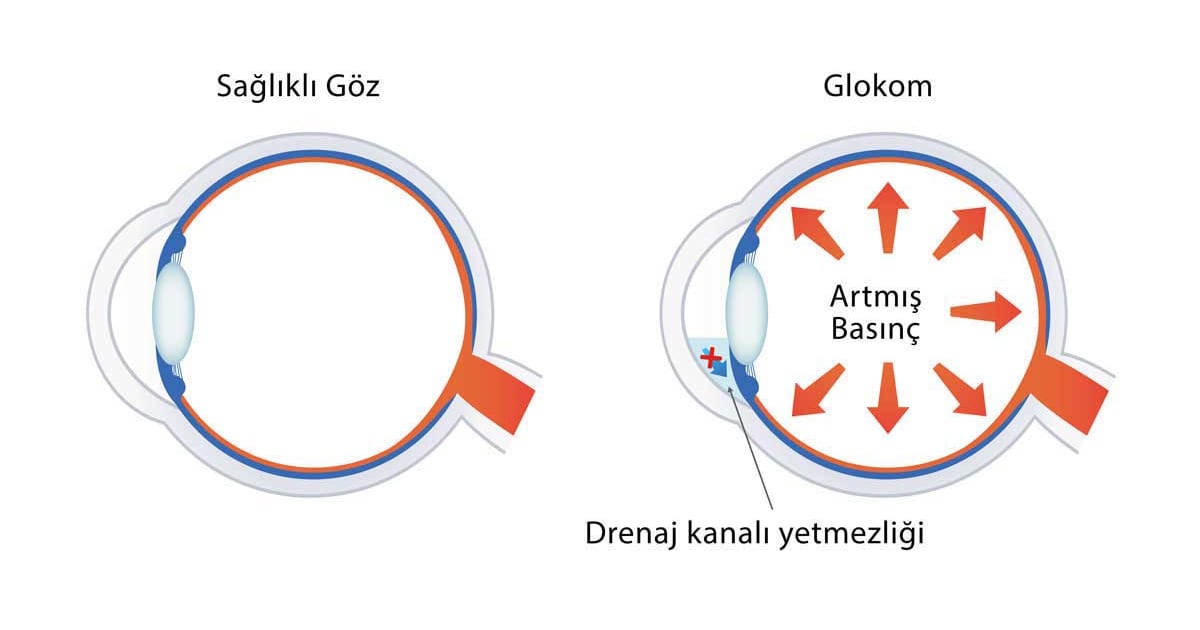
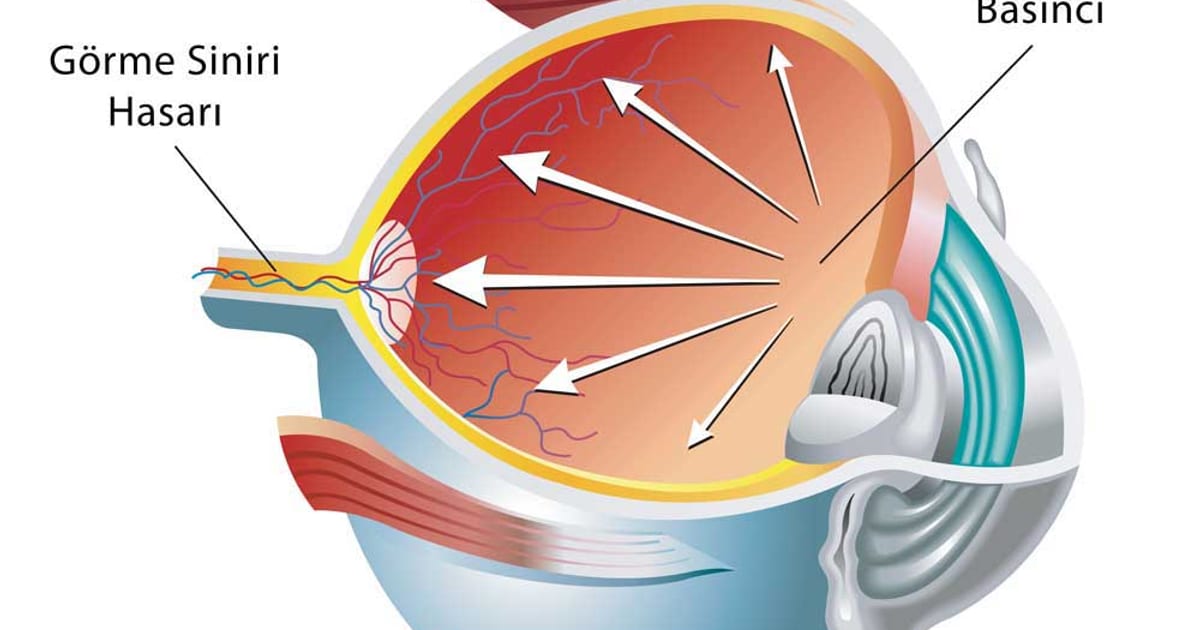
The eye constantly produces a clear fluid (aqueous humour) that nourishes it and then drains away. If the fluid cannot drain properly, pressure inside the eye rises. Over time, raised pressure can damage the delicate fibres of the optic nerve. As fibres are lost, blind spots develop in the peripheral (side) vision first — which is exactly why they go unnoticed, since central reading vision is spared until late. Some people develop glaucoma even with "normal" pressure, because their optic nerve is unusually sensitive; this is why glaucoma is really a disease of the optic nerve, not simply of pressure.
The main types
- Primary open-angle glaucoma is the most common form. Drainage becomes gradually less efficient and pressure creeps up over years, without pain or obvious symptoms.
- Angle-closure glaucoma occurs when the drainage angle becomes suddenly or chronically blocked. An acute attack — with severe eye pain, headache, redness, blurred vision, halos and even nausea — is a medical emergency that needs same-day care.
- Normal-tension glaucoma damages the nerve despite pressures in the normal range.
- Secondary glaucoma results from another cause, such as injury, inflammation, advanced cataract or certain medications.
Who is at higher risk?
Anyone can develop glaucoma, but the risk is higher if you:
- are over 40, with risk rising each decade
- have a family history of glaucoma
- have high eye pressure, a thin cornea, or high short-sightedness
- have diabetes, or use long-term steroids
- are of African, Caribbean or Asian ancestry (linked to higher rates of certain types)
Why symptoms are not enough
The most dangerous feature of the common form of glaucoma is that it has no early symptoms — no pain, no redness, no blur. By the time a person notices gaps in their side vision, significant, permanent nerve damage has usually occurred. This is the single most important message about glaucoma: you cannot rely on how your eyes feel. The only way to catch it early is a proper eye examination.
How glaucoma is detected
A glaucoma assessment is painless and takes several complementary measurements, because no single test tells the whole story:
- Eye pressure measurement (tonometry)
- Optic nerve examination and photography
- Optical coherence tomography (OCT), which measures the thickness of the nerve fibre layer and can detect loss before it reaches your vision
- Visual field testing, which maps your side vision
- Gonioscopy, to inspect the drainage angle
Together these build a baseline that can be compared over time to spot change early.
The reassuring part
Although the damage glaucoma causes cannot be undone, the disease can almost always be controlled when found in time. Lowering eye pressure — with drops, laser or surgery — reliably slows or halts further loss, allowing most people to keep useful vision for life. Treatment is covered in our companion article; the essential point here is that early detection changes everything.
What you can do
The most powerful step is simple: have regular comprehensive eye examinations, especially after 40 or sooner if glaucoma runs in your family. If you are diagnosed, taking your drops faithfully every day and keeping your monitoring appointments is what protects your sight over the years.
This article is general information and not a substitute for a personal examination. If you are due an eye check or have a family history of glaucoma, please see an ophthalmologist.