July 5, 2026
Glaucoma Treatment: Protecting Vision From the Silent Thief
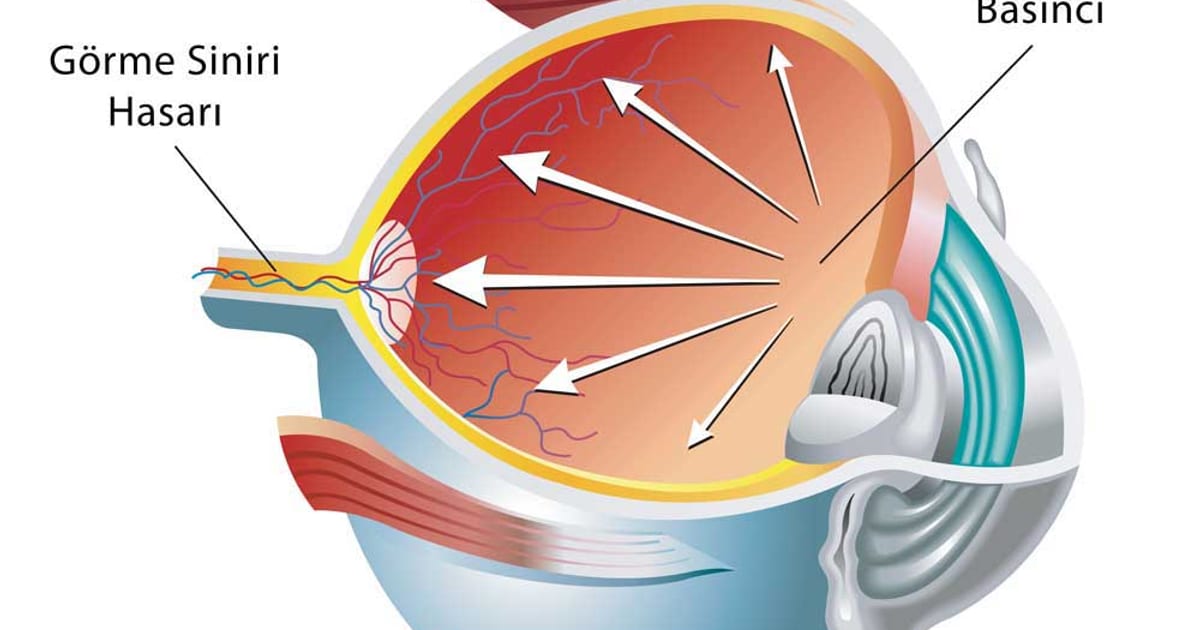
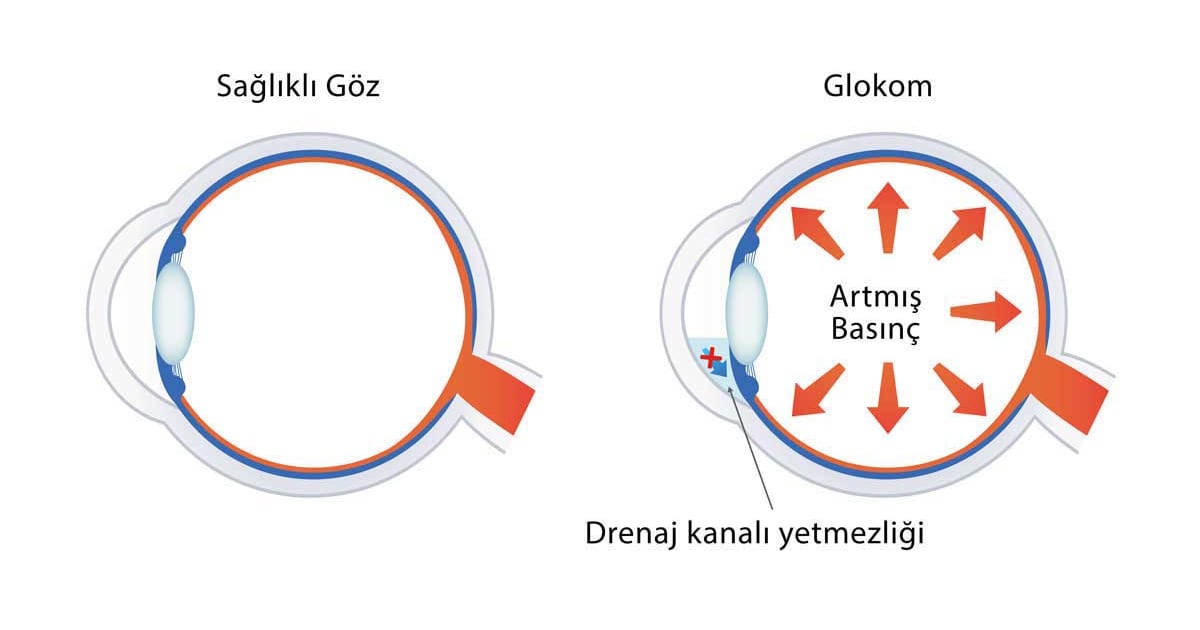
Glaucoma is a lifelong condition, but a very manageable one. While the optic-nerve damage it causes cannot be undone, lowering the pressure inside the eye reliably slows or halts further loss — allowing most people to keep useful vision for life. Every treatment for glaucoma, whatever its form, shares this single goal: to reduce eye pressure to a level that is safe for your particular optic nerve.
Setting a target pressure
After diagnosis, your ophthalmologist estimates a target pressure for your eyes, based on how much damage is already present, how high your pressure is, and how quickly the disease is progressing. Treatment is then chosen and adjusted to reach and hold that target, with regular optic-nerve imaging (OCT) and visual-field tests to confirm the disease is stable.
Eye drops: the usual first step
For most people, treatment begins with pressure-lowering eye drops. Several families of drops work in different ways — some reduce the amount of fluid the eye makes, others improve its drainage:
- Prostaglandin analogues improve outflow and are often first choice, used once a day.
- Beta-blockers reduce fluid production.
- Alpha agonists and carbonic anhydrase inhibitors do both, and are often used in combination.
Drops are effective, but they only work if used every day, exactly as prescribed. Because glaucoma has no symptoms, it is easy to forget them — yet consistent daily use is the single most important thing a patient can do to protect their sight.
Laser treatment
Selective laser trabeculoplasty (SLT) is a quick, painless clinic procedure that uses gentle laser energy to stimulate the eye's natural drainage channel, helping fluid leave the eye more easily. It can be used as a first treatment instead of drops, or added when drops are not enough, and can be repeated. For angle-closure glaucoma, a different laser (iridotomy) creates a tiny opening in the iris to relieve or prevent a dangerous pressure rise.
Surgery
When drops and laser cannot control the pressure, surgery creates a new or improved route for fluid to drain:
- MIGS (minimally invasive glaucoma surgery) uses tiny devices or micro-openings, often combined with cataract surgery, with quick recovery for milder cases.
- Trabeculectomy creates a small, guarded drainage channel under the eyelid and remains a highly effective option for more advanced disease.
- Drainage implants (tube shunts) channel fluid to a small reservoir and are used in complex or high-risk eyes.
The right operation depends on the type and severity of glaucoma and is chosen individually.
Emergencies
An acute angle-closure attack — sudden severe eye pain, headache, blurred vision, halos and nausea — is an emergency. Pressure must be lowered urgently to prevent rapid, permanent damage, so seek same-day care if these symptoms appear.
Living well with glaucoma
Glaucoma care is a partnership over many years. Alongside treatment, a few habits help: taking drops at the same time each day, never stopping treatment because the eye "feels fine," attending every monitoring visit, and telling your doctor about other medicines you take. With early detection and steady treatment, the great majority of people with glaucoma never lose meaningful vision.
This article is general information and not a substitute for a personal examination. If you have glaucoma or a family history of it, please stay under the care of an ophthalmologist.