June 25, 2026
Understanding Cataracts: Why Vision Clouds With Age
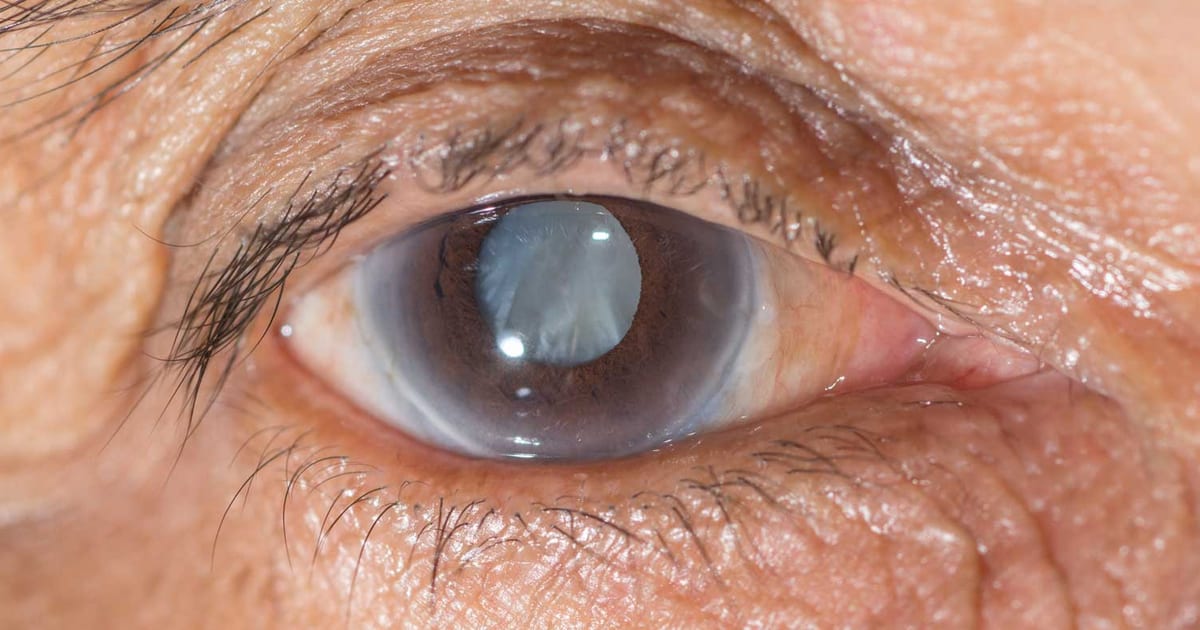
Inside every eye sits a clear, flexible lens that focuses light onto the retina. Over time this lens can become cloudy, scattering light instead of focusing it. That clouding is a cataract, and it is the most common cause of reversible vision loss in the world. The good news is that a cataract is not a growth or a film over the eye — it is the lens itself becoming less transparent, and it can be treated very effectively.
What causes a cataract?
The lens is made mostly of water and precisely arranged proteins. With age, those proteins gradually clump together and the lens yellows and hardens. This age-related change is by far the most common cause, which is why most cataracts appear after the age of sixty. But several other factors can bring them on earlier or accelerate them:
- Ultraviolet light from years of sun exposure
- Diabetes and other metabolic conditions
- Long-term steroid use
- Smoking and heavy alcohol use
- Eye injury, inflammation or previous eye surgery
- Genetics, and rarely, cataracts present from birth
Recognising the symptoms
Cataracts usually develop slowly, so the change can be easy to dismiss until it interferes with daily life. Typical signs include:
- Blurred, hazy or "filmy" vision that glasses no longer fully correct
- Glare and halos around lights, making night driving difficult
- Faded or yellowed colours — whites may look beige
- Frequent changes in your glasses prescription
- Better near vision temporarily ("second sight"), which then fades
- Needing brighter light to read
Because both eyes are often affected at different rates, many people do not realise how much vision they have lost until one eye is tested on its own.
How a cataract is diagnosed
A cataract is confirmed with a straightforward eye examination. After dilating the pupil, the ophthalmologist examines the lens under a microscope (a slit lamp) and grades the type and density of the clouding. Vision is measured, eye pressure is checked, and the retina is examined to make sure other conditions are not also contributing to the blur. This full assessment matters, because good vision after treatment depends on the rest of the eye being healthy too.
Can cataracts be prevented or slowed?
No drops or medicines reverse a cataract, but sensible habits may slow its progression: wearing UV-blocking sunglasses, not smoking, managing diabetes well, and eating a diet rich in fruit and vegetables. Regular eye examinations allow a cataract to be tracked over time so that treatment happens at the right moment — not too early, and not so late that daily life has already been compromised.
When is it time to treat?
There is no fixed vision level at which a cataract "must" come out. The right time is when the cloudiness interferes with the things you need or love to do — reading, driving, working, recognising faces. Modern surgery is safe and effective at almost any stage, so the decision is guided by your symptoms and lifestyle rather than by a number on a chart. Occasionally, treatment is recommended sooner if the cataract is making it hard to monitor another eye condition such as diabetic retinopathy or glaucoma.
What comes next
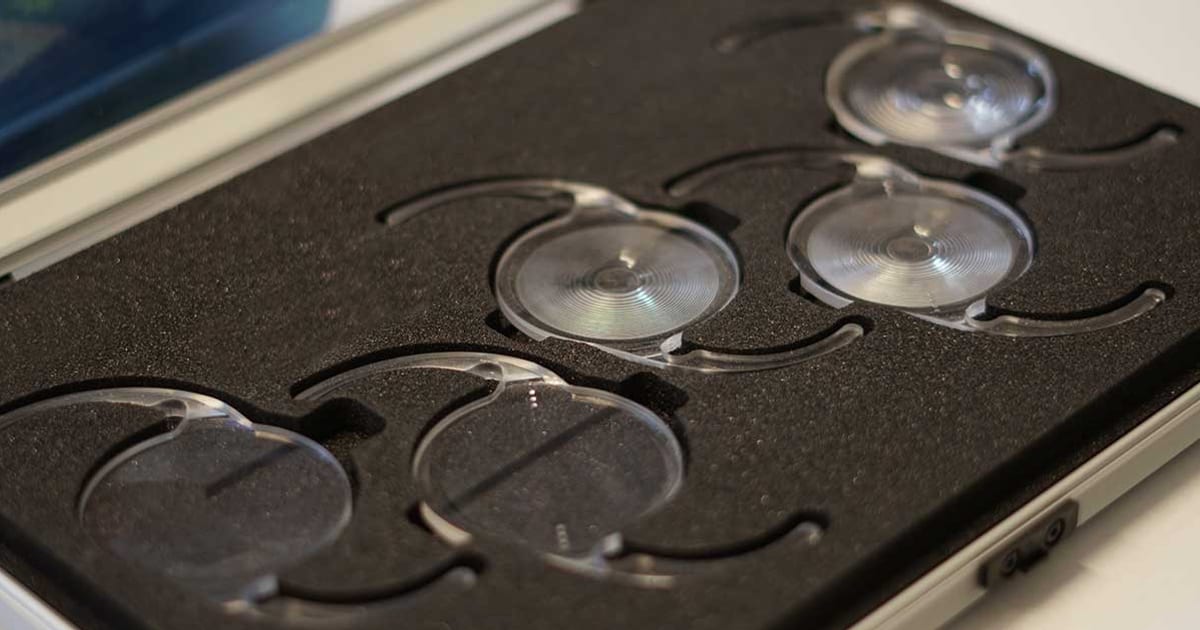
If a cataract is affecting your quality of life, the definitive treatment is a short, well-established operation that replaces the cloudy lens with a clear artificial one — covered in detail in our companion article on cataract surgery. Until then, brighter lighting, anti-glare glasses and an up-to-date prescription can help you see more comfortably.
This article is general information and not a substitute for a personal examination. If you notice any change in your vision, please see an ophthalmologist.