June 29, 2026
Cataract Surgery: What to Expect, Step by Step
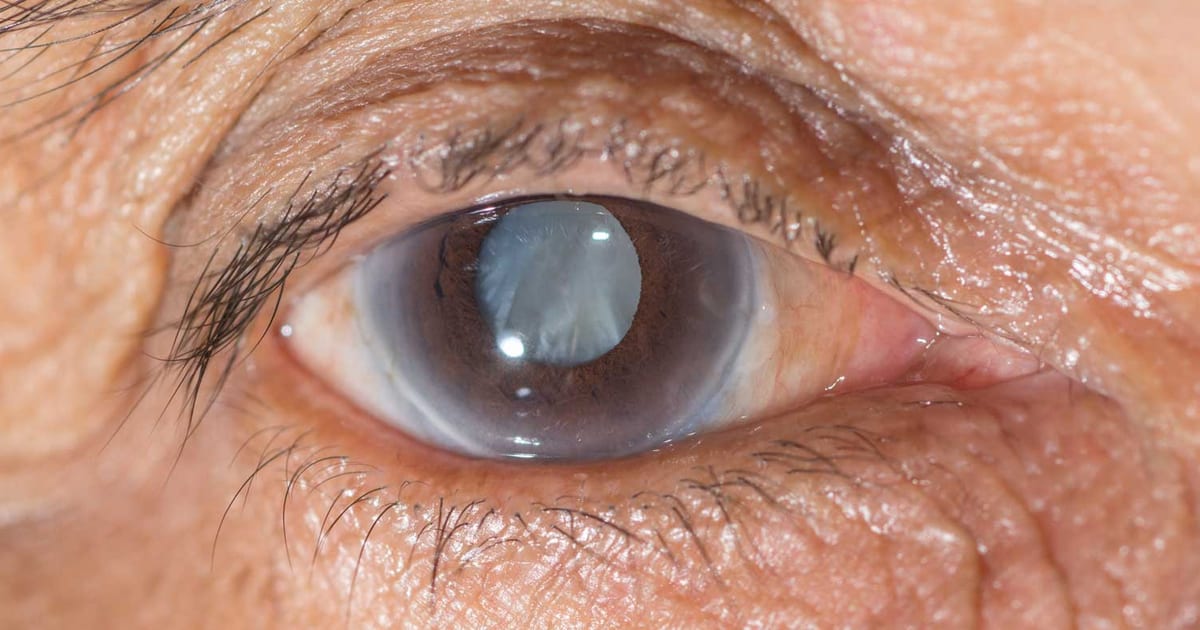
Cataract surgery is among the most frequently performed and most successful operations in all of medicine. Its goal is simple: to remove the eye's clouded natural lens and replace it with a clear artificial lens, restoring the sharp, bright vision a cataract had gradually taken away. Understanding the steps ahead of time makes the experience far less daunting.
Before the day: measurements that shape your result
Good cataract surgery begins with precise planning. In addition to a full eye examination, the eye is scanned with a device called a biometer that measures its length and the curvature of the cornea. These measurements are used to calculate the exact power of the intraocular lens (IOL) that will be placed inside your eye. Getting them right is what allows many patients to see well at distance without glasses afterwards.
Choosing an intraocular lens
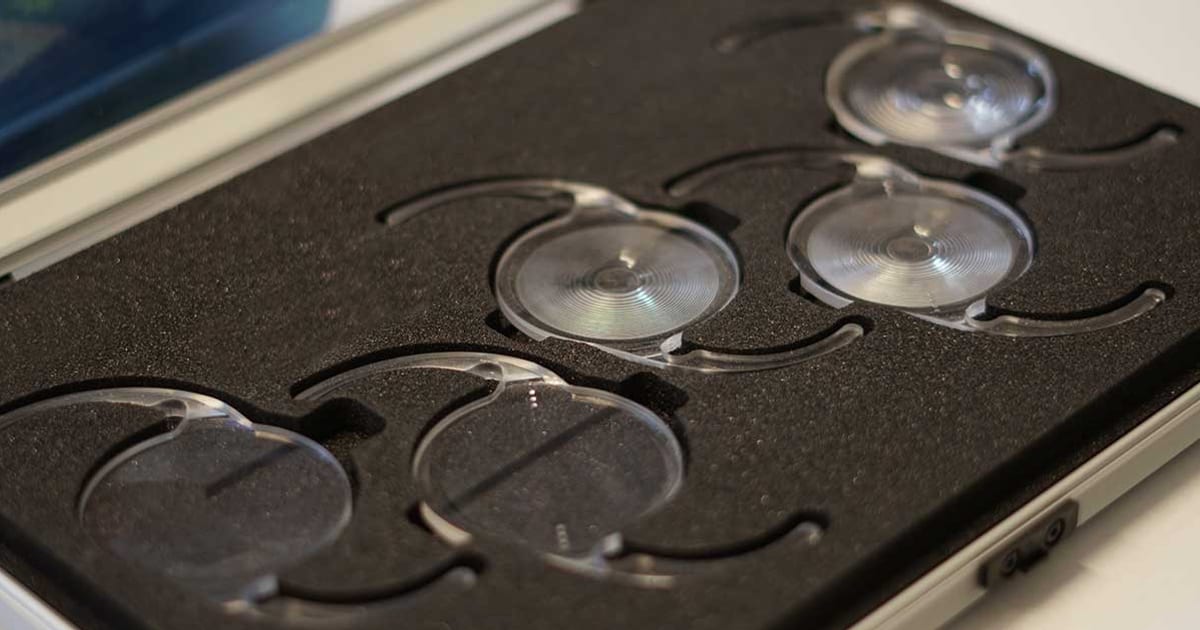
The replacement lens is chosen to match your eyes and your lifestyle:
- Monofocal lenses give excellent vision at one distance — usually far — with glasses used for reading. They are the most widely used and provide crisp, reliable vision.
- Toric lenses additionally correct astigmatism, sharpening vision for eyes that would otherwise remain blurred.
- Multifocal or extended-depth-of-focus lenses aim to provide a range of vision — far, intermediate and near — reducing the need for glasses, though some people notice halos at night.
There is no single "best" lens; the right choice depends on your eyes, your daily activities and your expectations, and is decided together with your surgeon.
The day of surgery
Cataract surgery is a day-case procedure. It is almost always performed under local anaesthetic — numbing drops or a gentle injection — so you are awake but feel no pain, and it usually takes only 15 to 20 minutes per eye. The two eyes are typically treated on separate occasions.
The most common technique is phacoemulsification. Through an incision of around two millimetres, the surgeon opens the front of the lens capsule, breaks up the cloudy lens with ultrasound energy, and gently suctions it away. The folded artificial lens is then inserted through the same tiny opening and unfolds into position within the natural lens capsule, where it stays permanently. The incision is so small that it usually seals itself without stitches.
Recovery
Most people notice clearer vision within a day or two, though it can take a few weeks to fully settle as the eye heals. You will use antibiotic and anti-inflammatory drops for a few weeks and attend one or two follow-up visits. Sensible precautions in the early period include:
- Not rubbing the eye and wearing the protective shield as advised, especially at night
- Avoiding swimming, dusty environments and heavy lifting for a couple of weeks
- Using your drops exactly as prescribed and keeping every appointment
Mild grittiness, watering or a red patch on the white of the eye are common and settle on their own. New glasses, if needed, are usually prescribed a few weeks after surgery once vision is stable.
How safe is it?
Cataract surgery has a very high success rate, and serious complications are uncommon. As with any operation there are risks — infection, swelling, or the need for further treatment — which your surgeon will discuss with you personally. Some months or years later, the thin capsule holding the lens can cloud again (a "secondary cataract"); this is easily and painlessly cleared in a minute with a laser in the clinic.
The bottom line
For a cataract that is affecting your life, surgery offers a safe, quick and durable return of clear vision. The keys to a great outcome are careful measurement, a lens matched to your needs, and following your recovery instructions. If a cataract is holding you back, an examination is the first step to deciding whether the time is right.
This article is general information and not a substitute for a personal examination. Please discuss your own situation with an ophthalmologist.